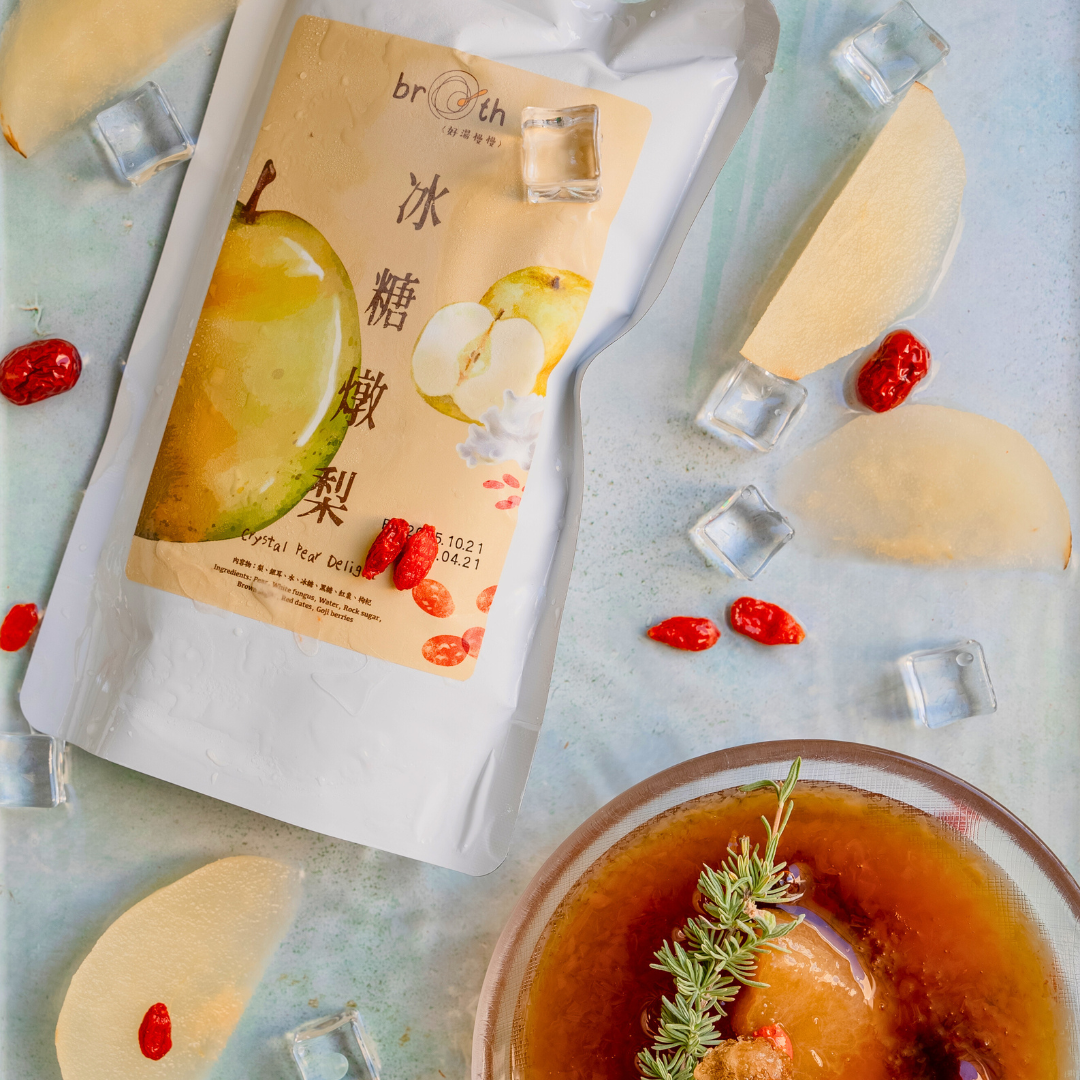
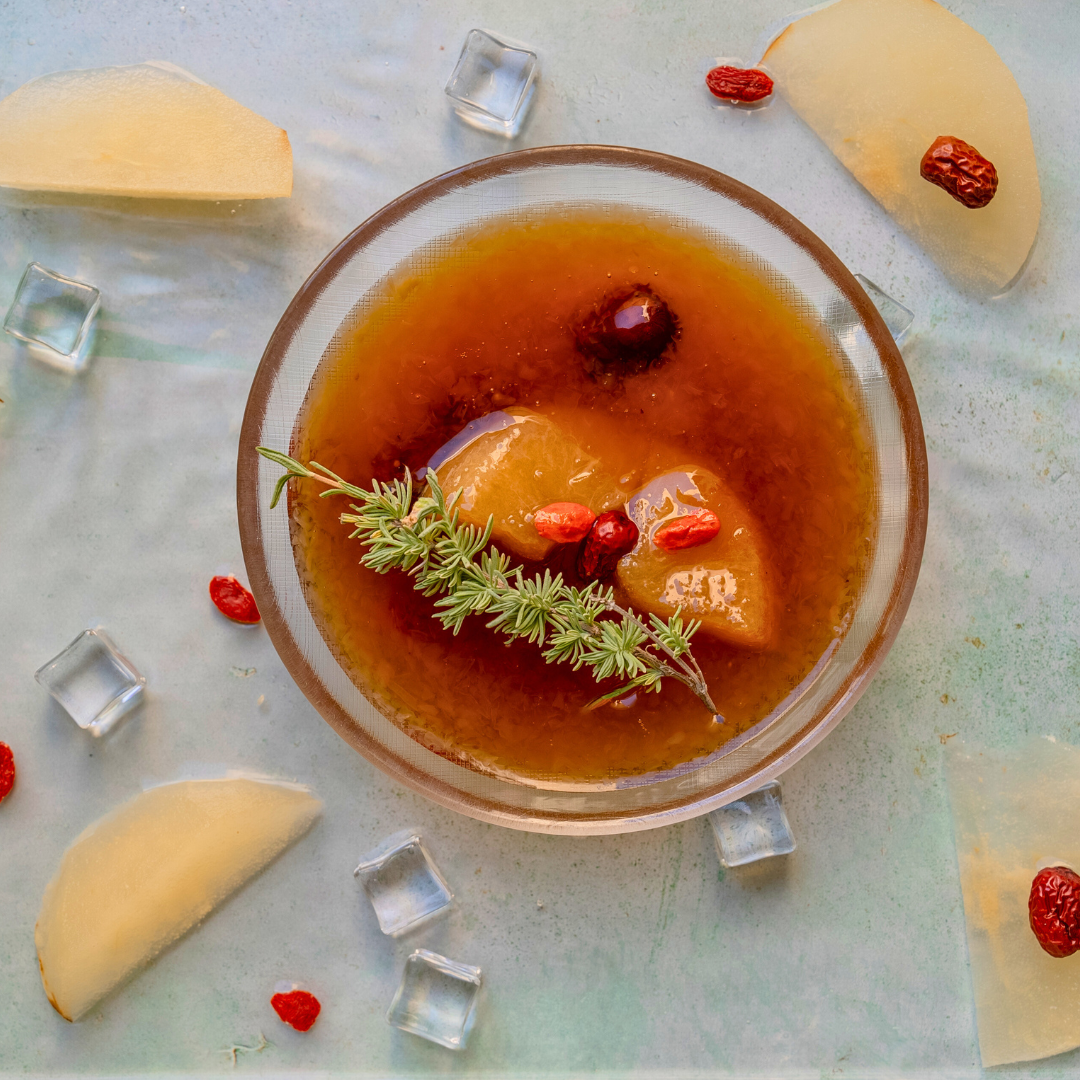
— A Wellness Feature by BROTH
April is here — the season of blooming, growing, and new beginnings. In Traditional Chinese Medicine (TCM), spring is the season most closely associated with the liver, making it the most important time of year to give this vital organ the attention it deserves.
Yet so much of modern life works against our liver — late nights, chronic stress, bottled-up emotions, and rich, heavy food. When liver Qi becomes stagnant, it doesn't just affect your mood. It can disrupt sleep, digestion, and even your immune system.
This April, we want to talk about what your liver really needs — and how to support it gently, even in the middle of a busy life.
I. Is Your Liver Sending You Signals? Check These Signs
The liver is a quiet organ. It rarely causes pain, which is exactly what makes it easy to overlook. But when it's struggling, your body will find other ways to let you know.
See how many of these resonate with you:
-
Dry, tired eyes and blurry vision: Do your eyes feel strained and foggy by midafternoon? In TCM, the liver "opens into the eyes" — when liver blood is insufficient, the eyes are often the first to show it.
-
Trouble sleeping, vivid dreams, waking at 1–3 a.m.: You're exhausted but can't fall asleep, or you wake in the early hours and can't get back to sleep. Liver fire or liver blood deficiency can both interfere with sleep quality.
-
Irritability and a short fuse: Has your patience been thinner than usual lately? The liver governs the smooth flow of Qi — when it's stagnant, frustration and mood swings follow.
-
Irregular periods or pre-menstrual breast tenderness: Breast soreness before your period combined with emotional volatility often points to liver Qi stagnation affecting the liver meridian, which runs through the chest.
-
Migraines or tightness along the ribs: Pulsing pain at the temples or a persistent sense of pressure under the ribcage are classic signs that liver Qi is blocked — the liver meridian runs through the top of the head and along the sides of the torso.

If two or three of these sound familiar, it may be worth pausing and asking: when did I last actually take care of my liver?
II. What's Hurting Your Liver? Habits Worth Examining
In TCM, the liver is described as the foundation of our endurance — it governs how well we handle fatigue and stress. Take a look at this list and see how many apply to you:
-
Staying up late depletes liver blood. Between 11 p.m. and 3 a.m., the liver and gallbladder meridians are most active — this is when the body repairs and replenishes liver blood. Miss this window regularly, and the effects show up as dull skin, dry eyes, and fatigue.
-
Suppressing emotions leads to liver Qi stagnation. Work pressure, family stress, financial anxiety — many of us push it all down. The liver thrives on free flow; when emotions are bottled up, it shows as chest tightness, frequent sighing, irritability, and poor sleep.
-
Drinking too much alcohol creates damp-heat that damages the liver. If you often wake after a night of drinking with dry mouth, red eyes, and a coated tongue, your liver is signaling distress — and over time, this can contribute to fatty liver disease.
-
Overeating and heavy food leads to spleen deficiency and excess liver Qi. When the digestive system is overwhelmed, dampness accumulates and liver Qi becomes more reactive. Post-meal bloating and poor appetite are classic warning signs.

If late nights, stress, unexpressed emotions, and social drinking are all part of your routine — your liver is asking for some help.
III. Three Ways to Support Your Liver This Spring
Caring for your liver doesn't require anything elaborate. Start with these three daily practices:
1. Prioritize sleep — aim to be in bed by 11 p.m.
The classical TCM text says: "When the body rests, blood returns to the liver." Between 11 p.m. and 3 a.m., the liver and gallbladder meridians are at peak activity — this is when the liver does its deepest repair work. No supplement can make up for consistently missing this window. If 11 p.m. isn't realistic every night, aim for it three to four nights a week, and let your body catch up on weekends. Every effort counts.
2. Let your emotions move — find an outlet.
The liver thrives on free flow and is easily disrupted by emotional suppression. Don't push through difficult feelings alone — talk to someone you trust, write it out, or take a walk outside. Spring is the season for gentle movement: strolling in a park, deep breathing, spending time in green spaces. Crying is a release too. There's nothing to be embarrassed about.
3. Eat with intention — lighter, greener, and nourishing.
In spring, TCM recommends reducing sour-flavored foods and increasing naturally sweet, green foods. Green corresponds to the liver in the Five Elements system — spinach, celery, broccoli, and green peppers are all excellent choices. Here are some liver-friendly ingredients to bring to the table:
-
Goji berries — nourish the liver and kidneys, support vision, and benefit the skin. Add a small handful to tea, soup, or eat them on their own.
-
Mulberries — tonify blood and yin, support hair health. Use them in porridge, juice, or as a jam. They're in season in spring — don't miss them.
-
Spinach — nourishes blood and soothes the liver. Stir-fry, soup, or lightly blanched all work well. Always blanch spinach briefly first to remove oxalic acid.
-
Black sesame — tonifies liver and kidneys, moistens the five organs. Ground into powder and stirred into porridge, it's both fragrant and nourishing.
-
Pork liver — in TCM, "like nourishes like." Pork liver supports blood and liver function. Once a week is enough — in soup or lightly stir-fried.
Here's a simple liver-nourishing soup to try: Goji Berry, Mulberry & Pork Liver Soup.
Ingredients: 10g goji berries, 10g mulberries (fresh or dried), 100g pork liver, 2 slices fresh ginger, a pinch of salt.
Method:
- Slice the pork liver thinly and soak in cold water for 10 minutes, changing the water once to remove blood. Drain, then marinate briefly with rice wine and ginger. Blanch in boiling water for 30 seconds and set aside.
- Add 500ml of water to a pot along with the goji berries, mulberries, and ginger. Bring to a boil, then reduce heat and simmer for 15 minutes to draw out the flavors.
- Add the blanched pork liver and cook for another 5 minutes. Don't overcook or the liver will turn tough.
- Season with a pinch of salt before serving.
A note: The soup has a deep reddish color and a naturally sweet, delicate fragrance. The liver should be silky, and the broth gently nourishing. Enjoy it once a week — it's especially good for those with eye strain, pale complexion, or chronic fatigue. Pregnant women can have this soup too, but make sure the liver is fully cooked and keep portions moderate.
IV. Extra Support for Busy Lives: BROTH Reishi Concentrated Chicken Essence
Caring for your liver requires good nutrition, but when time and energy are limited, making soup from scratch every day simply isn't realistic. That's where BROTH Concentrated Chicken Essence comes in — thoughtfully formulated for the demands of modern life.
BROTH Reishi Concentrated Chicken Essence | Calm the mind and support rest — especially for those under stress or dealing with poor sleep
In TCM, prolonged liver Qi stagnation can transform into internal heat, which agitates the spirit and leads to restless sleep, vivid dreaming, and a constant sense of unease. Reishi (Ganoderma lucidum) is classified as neutral in nature and enters the heart, lung, liver, and kidney meridians. It has been revered since ancient times for its ability to "strengthen the root and support the foundation" of the body. Modern pharmacological research has found that reishi's polysaccharides and triterpenoids can protect liver cells, reduce markers of liver inflammation, and support overall liver function. When stress and anxiety have disrupted your liver Qi and left you restless at night, reishi works to help restore balance and settle the spirit — while the concentrated chicken essence delivers the protein your body needs to repair and recover.
Suggested use: Take one sachet warmed, either on an empty stomach in the morning or during an afternoon energy dip.
V. When the Liver Is Well, Everything Follows
There's an old saying in TCM: the liver, when out of balance, affects all the other organs. But the reverse is equally true — when the liver is well-tended, sleep, mood, digestion, and complexion all start to find their way back.
This spring, try sleeping an hour earlier. Let yourself feel your feelings. Make a warm bowl of soup. Open a sachet of something nourishing. The liver responds to slowness, ease, and gentleness.
May we all move through this season of renewal at a pace that feels steady — and may this spring plant a seed of lasting health for the whole year ahead ❤️.
References
- Spring Liver Care from a TCM Perspective — Taichung Veterans General Hospital
- How to Detox and Nourish Your Liver: 4 Liver-Supporting Foods — CommonHealth Magazine
- A Dull Life Without a Healthy Liver! TCM Doctor's Guide to Spring Liver Care — Heho Health
- Spring Wellness and Liver Health: TCM Dietary Tips — Taipei Tzu Chi Hospital
- A Complete TCM Guide to Spring Liver Health — UDN Health (元氣網)
- Spring Is the Best Season to Protect Your Liver — UDN Health (元氣網)
- Eat Green in Spring: TCM Tips on Reducing Sour, Increasing Sweet — TVBS Health 2.0
- TCM Spring Liver Health: 5 Approaches to Nourishing Your Liver — BusinessWeekly
- Understanding the Chinese Herb Goji Berry — Taichung Veterans General Hospital, Dept. of Traditional Medicine
- The Benefits and Uses of Reishi (Lingzhi) — Association for Preventive Medicine Development
- Reishi Health Benefits and Precautions — SunVita